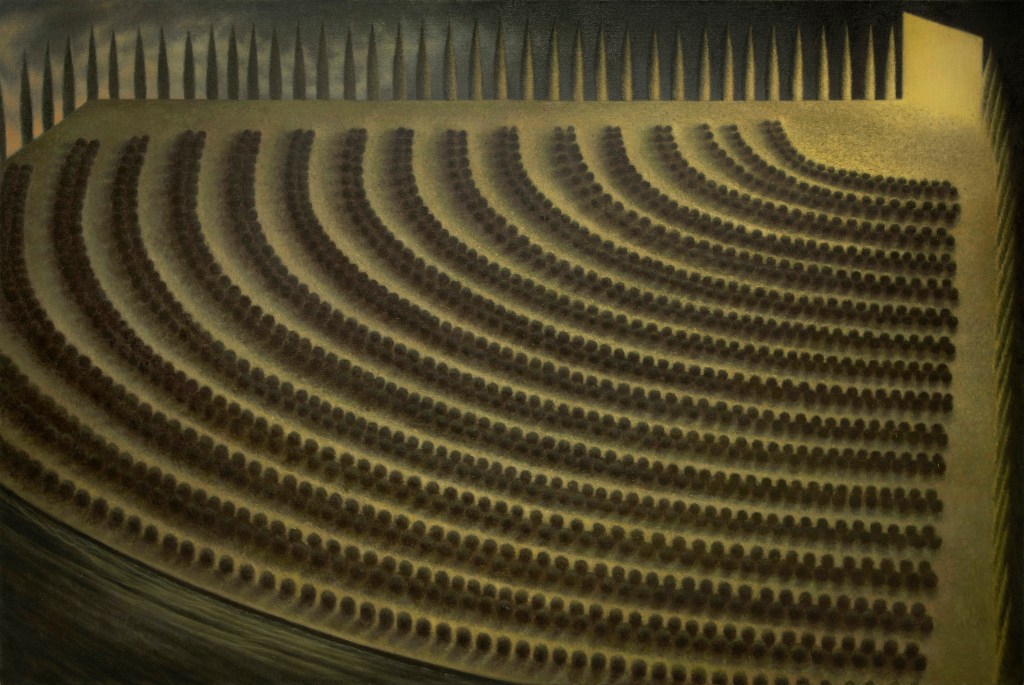
“The park is designed to be lively and powerful representing the sanctity of the place where the statues of seven notable Thai kings are enshrined. The trees planted around Rajabhakti Park are like an army of Kings to emphasize the quality of a warrior. The main type of trees is a variety of palm plants such as the Bismarck palm, Cherry palm, Petticoat Palm, Ficus Tree, Golden Ficus, etc., which have a beautiful shape and strength. When planted in a row, they look like troops. Some types of palms are shaped like soldiers crouching down and paying respect, which are suitable for the monument of seven kings.”
Excerpt from an interview with this garden designer made me rethink how to position trees and the design of Rajabhakti Park, as well as other important places by the Thai government. The way the tree is used shows the notion of royal nationalism ideology. Such a viewpoint is how the aristocracy sees the people. Moreover, each tree is labeled with the name of a noble person. Most of them were soldiers of high rank. In this sense, the monument is not the huge statue of the seven kings, but instead, it was a thousand or so trees in this place.
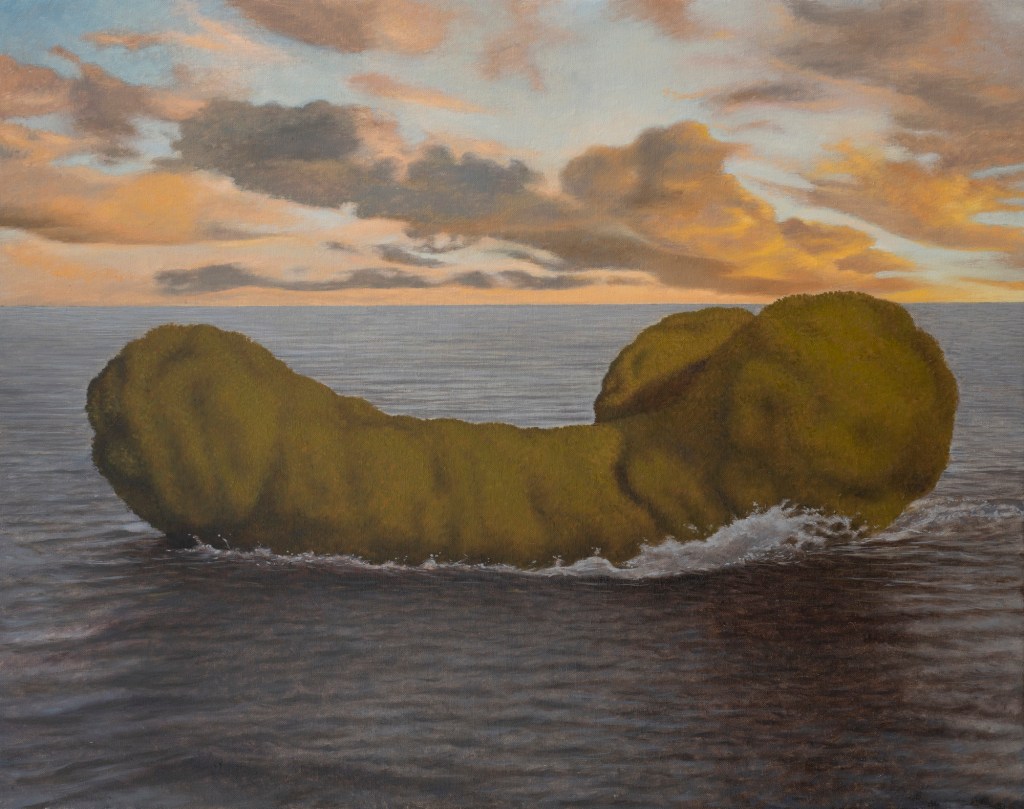
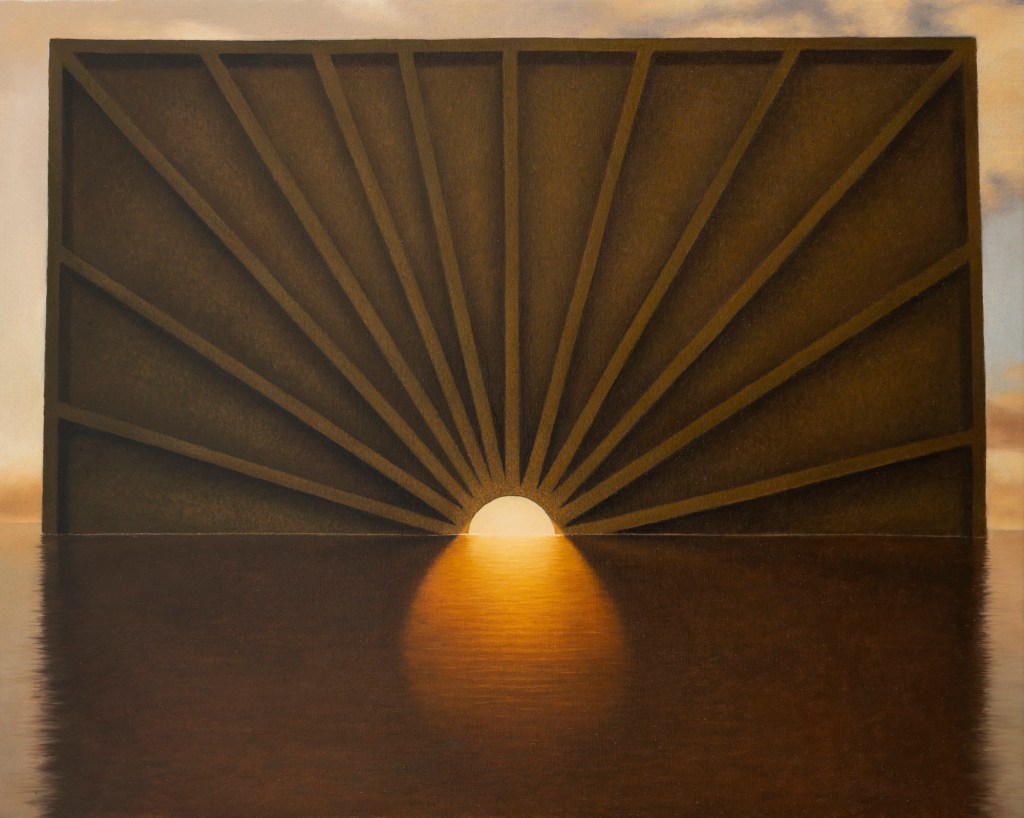
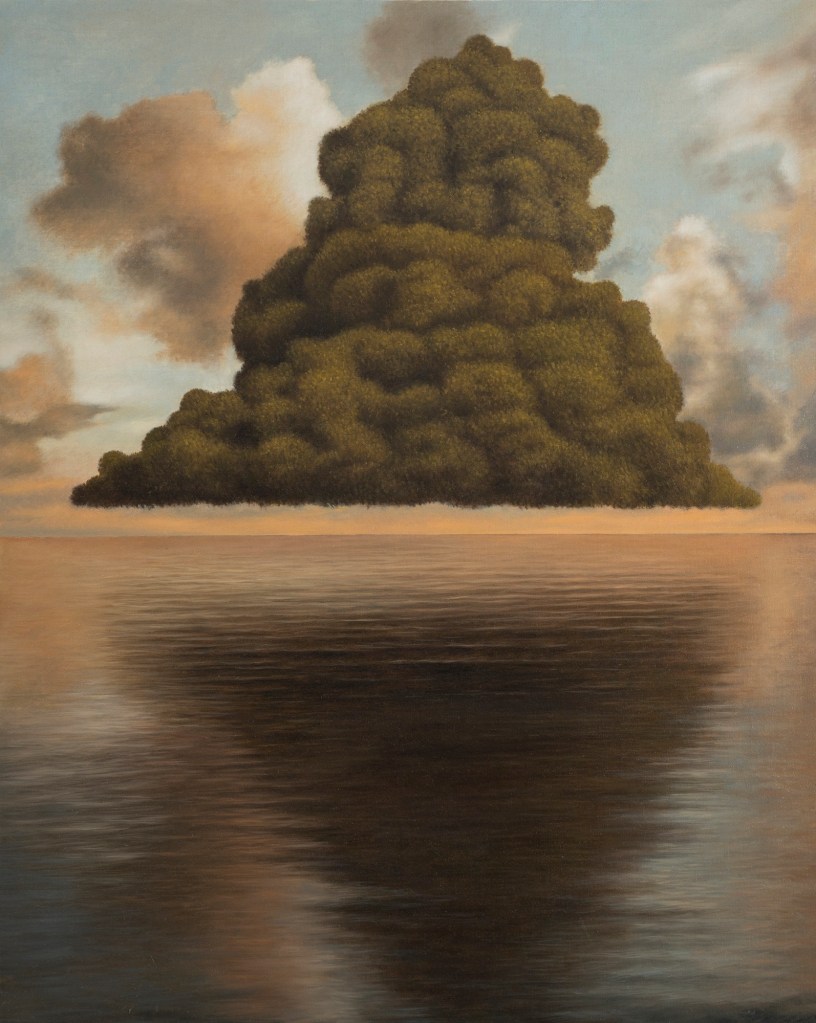
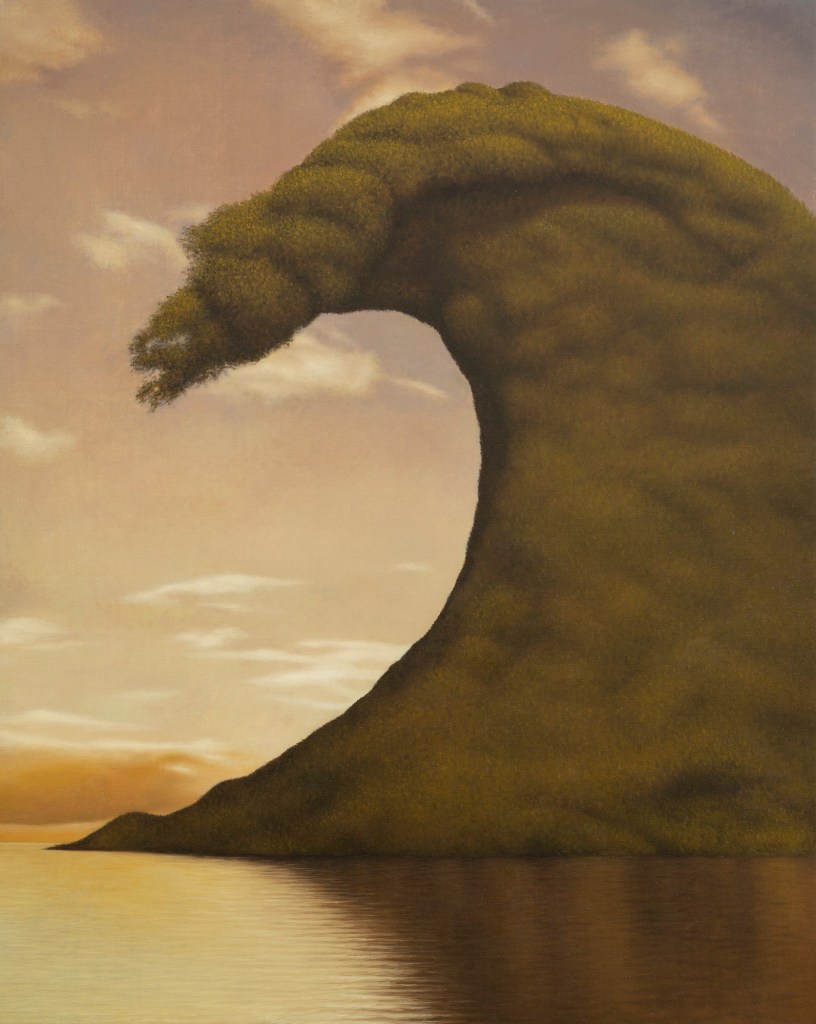
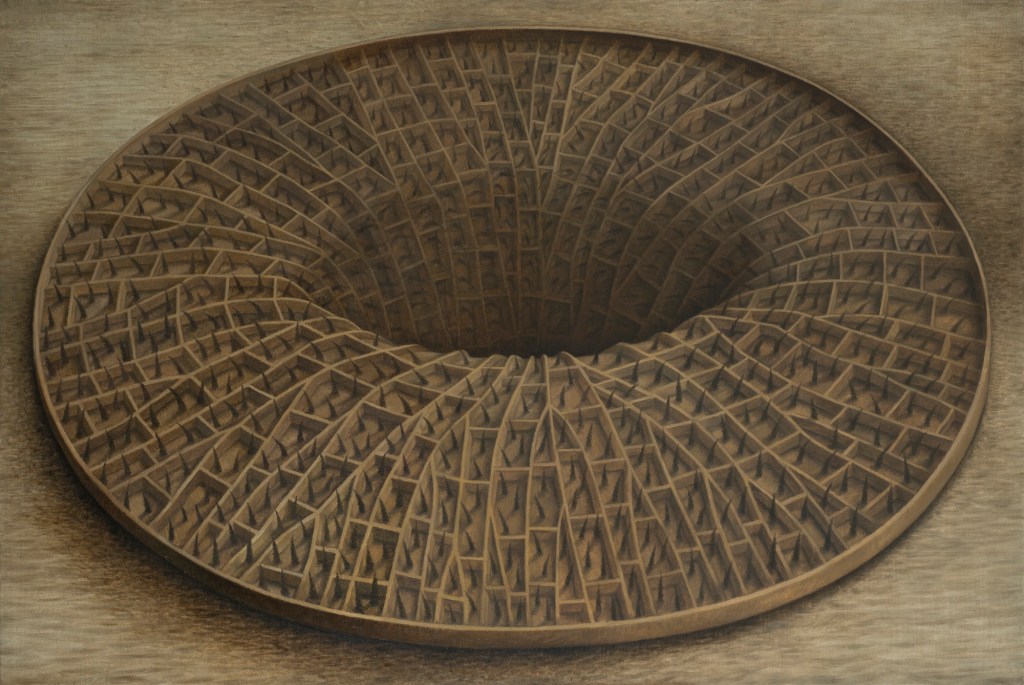
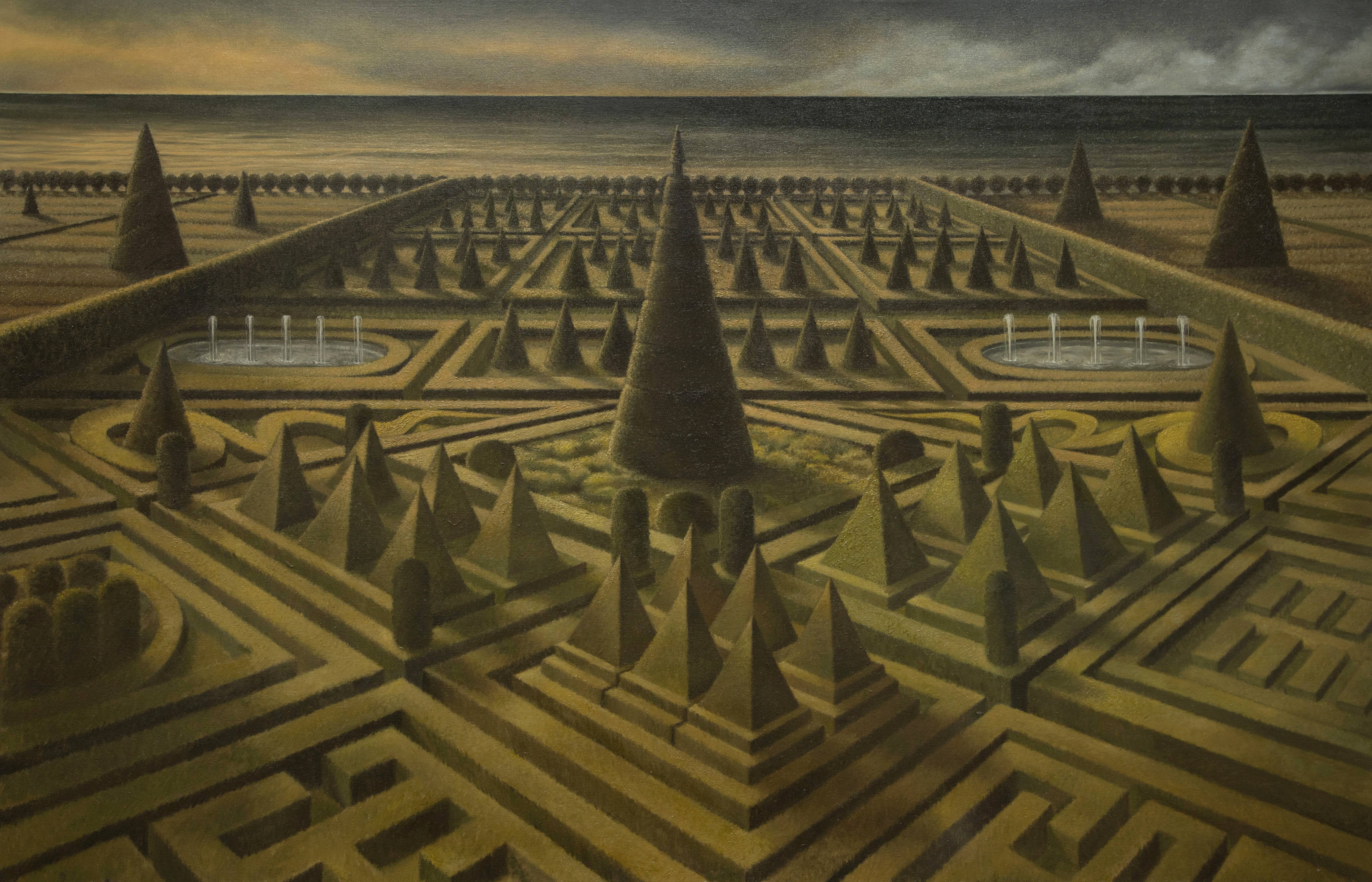
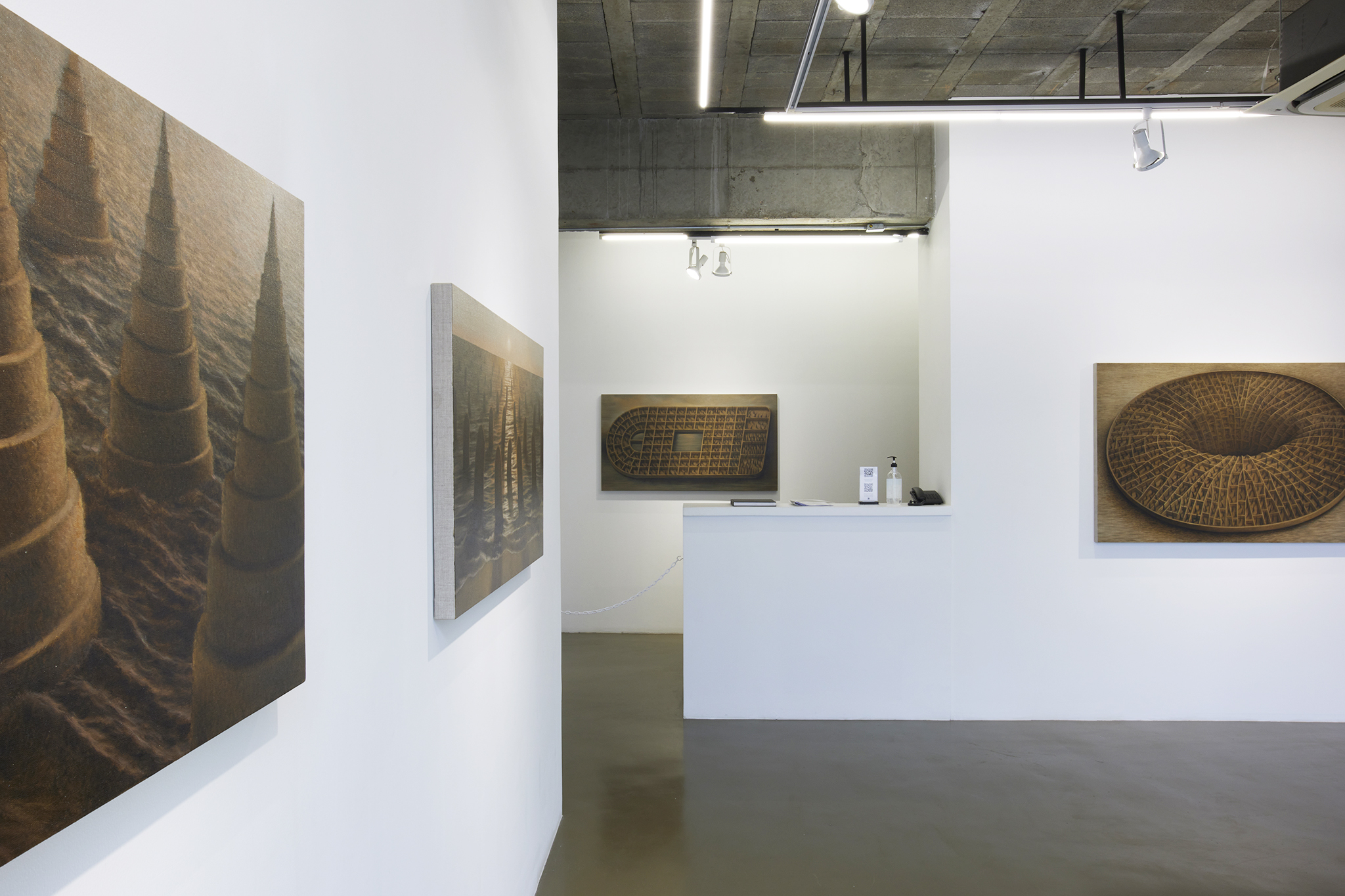
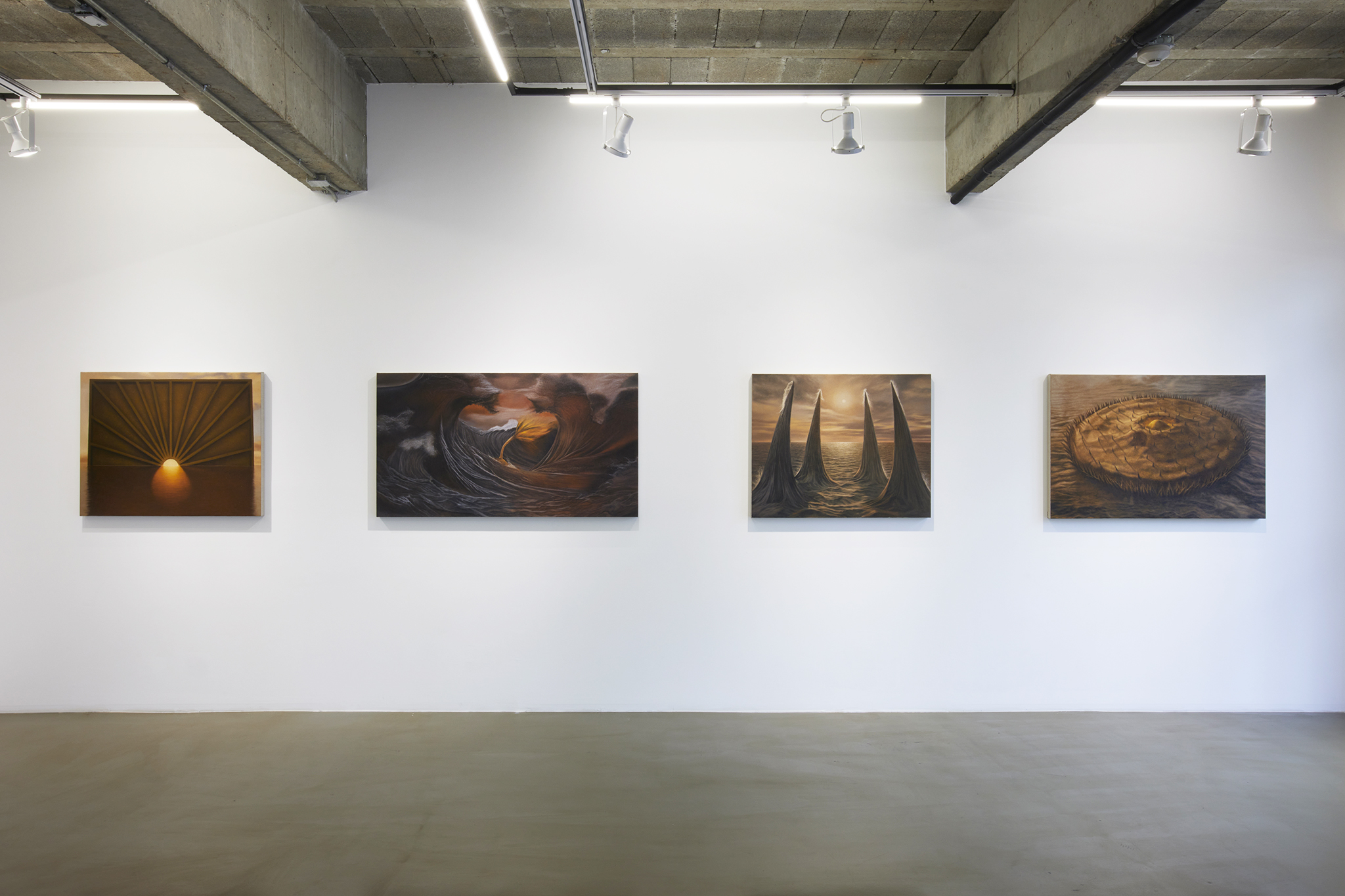
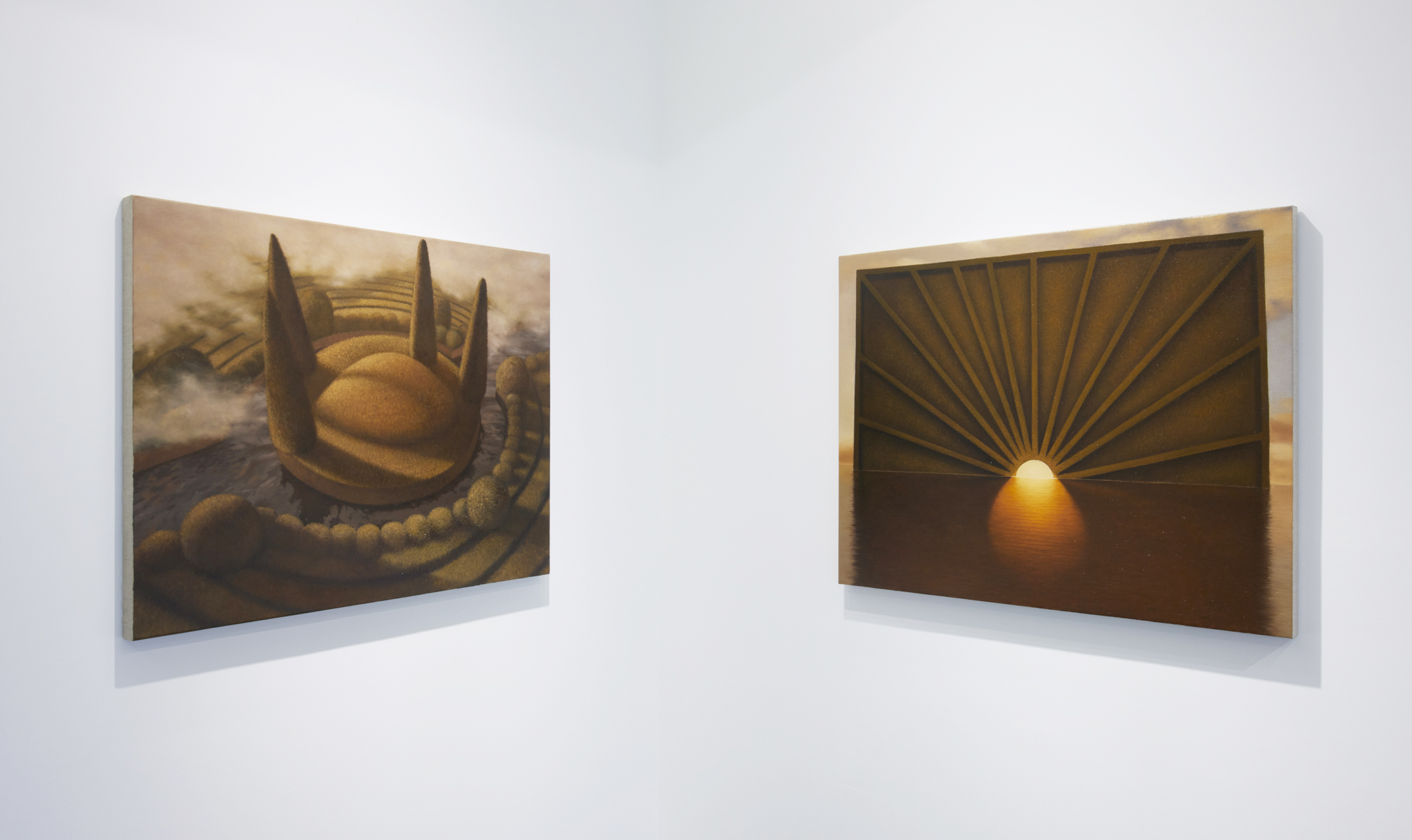
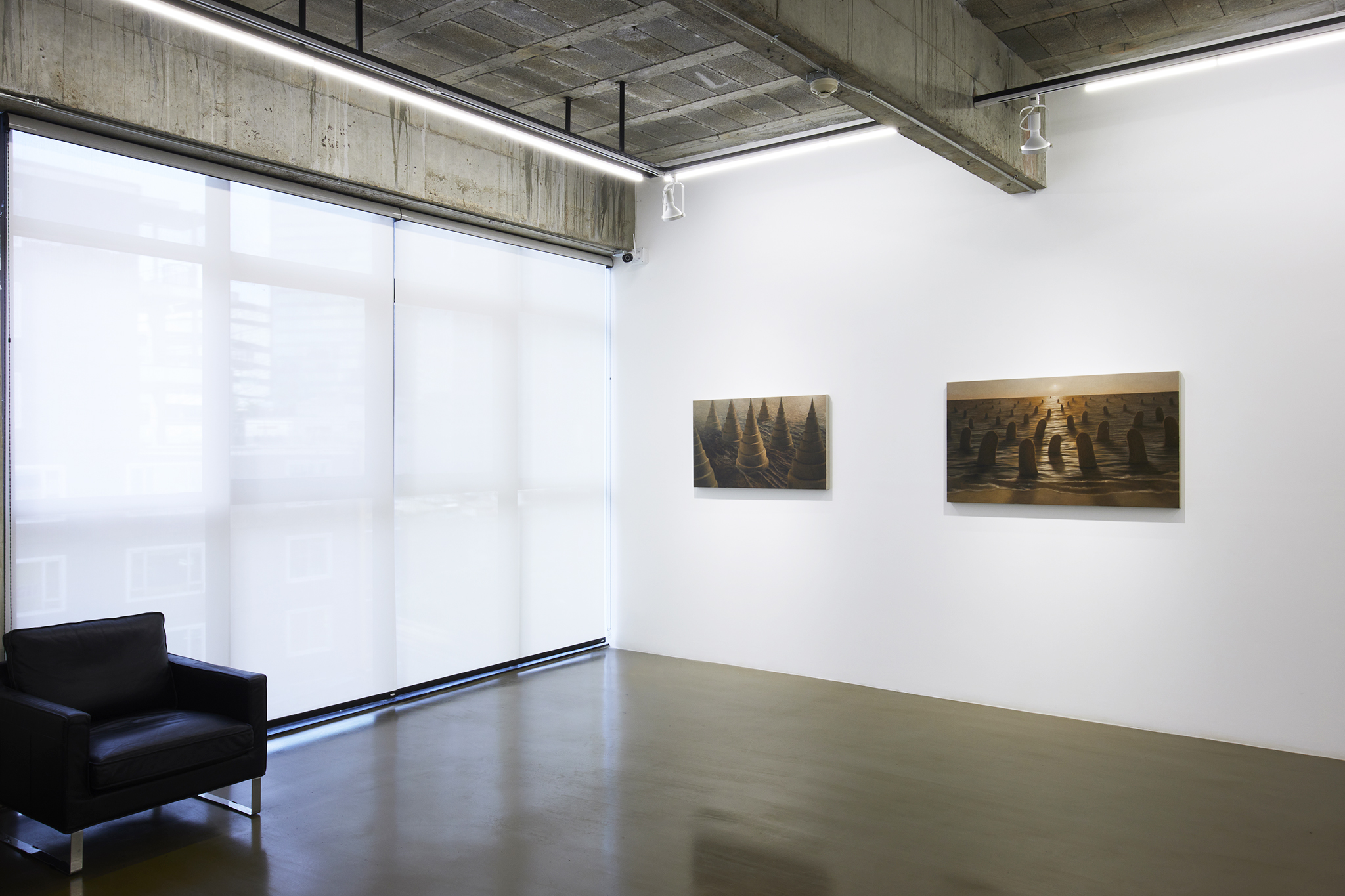
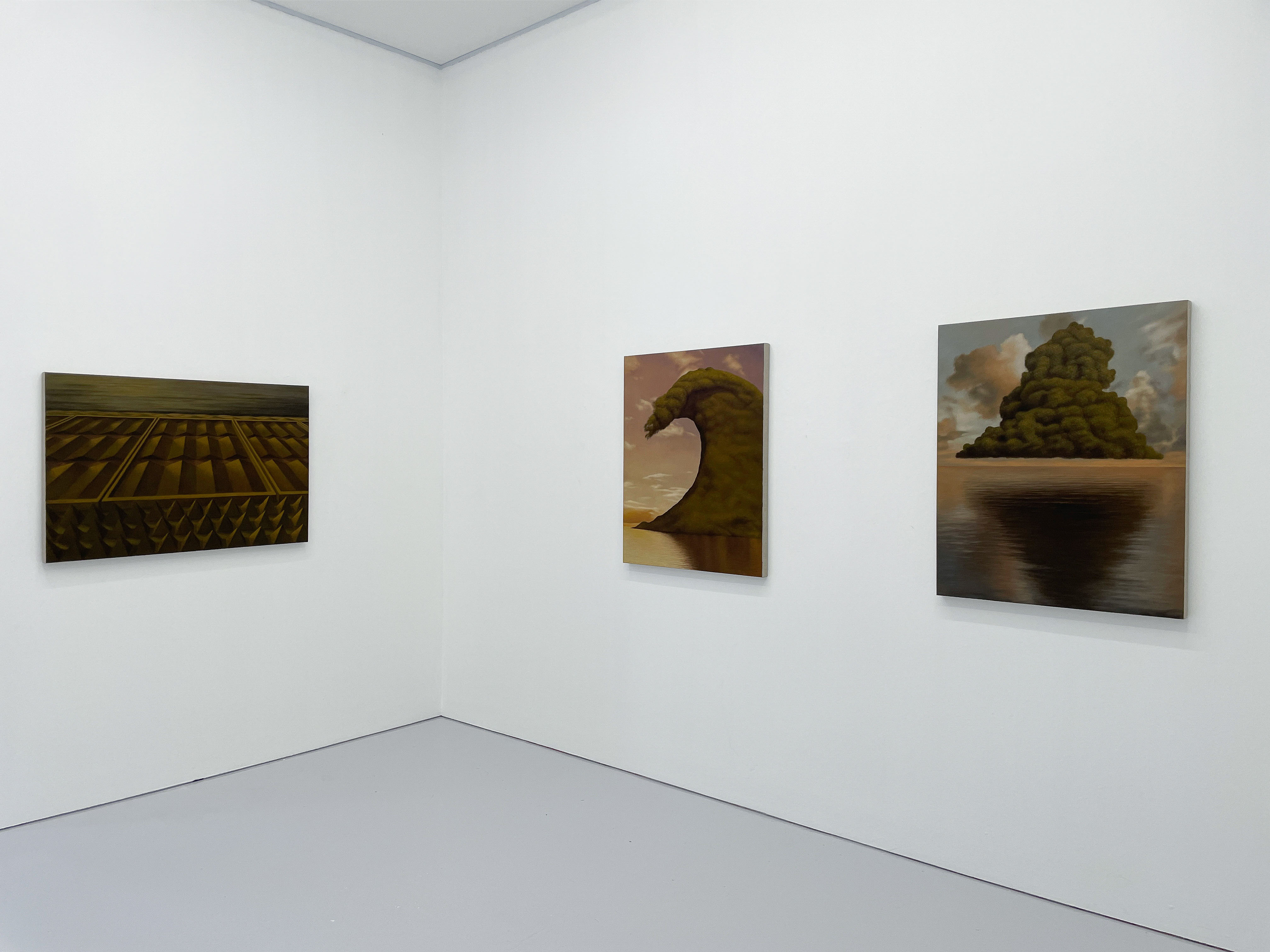
In the painting, I redesigned it with the same concept but from the opposite point of view. It is from the view of the people like me, who see the world through art. I looked into the idea that the people see the aristocracy and assumed the role of the creator of the new world. I snatched the green space and placed it in the square frame of the canvas. Various shapes in this series of works are therefore free from their real identity and the label attached to them. My imagination is free from a world where people are not in the equation.
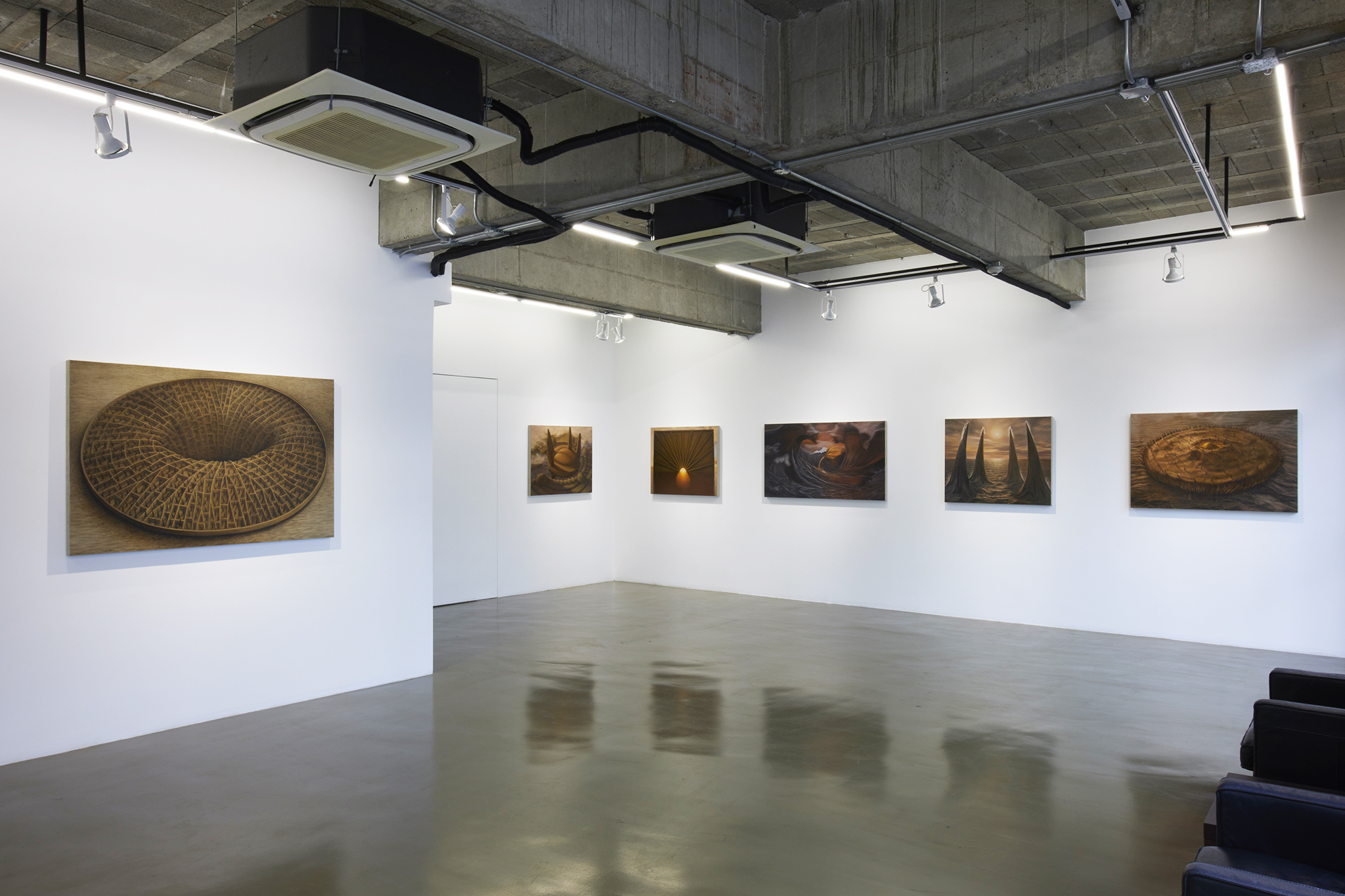
Your Green is Mine (2023) is a painting series that investigates the relationship between state-constructed landscapes and the symbolic power embedded in garden design, green spaces, and spatial control in Thai society. The artist deliberately employs a restrained green tone using a limited palette technique, combined with a top-down perspective that resembles the gaze of a supervisor or surveillance mechanism. The works depict public parks, lawns, ceremonial grounds, and vacant lots that have been organized into regulated spaces, turning them into tools for controlling meaning. The aesthetics in this series do not represent natural beauty alone but embody a form of “silent violence” that operates through design, spatial management, and ideological order.
This body of work continues the conceptual inquiry from Harvest (2021) but shifts from a ground-level viewpoint to a bird’s-eye view, revealing how landscapes are not neutral. Rather, they function as representations of politics, belief systems, and mechanisms of power embedded in everyday life.













 Pachara